Drunken Noodle Near Me: Finding the Perfect Bowl Close to Home
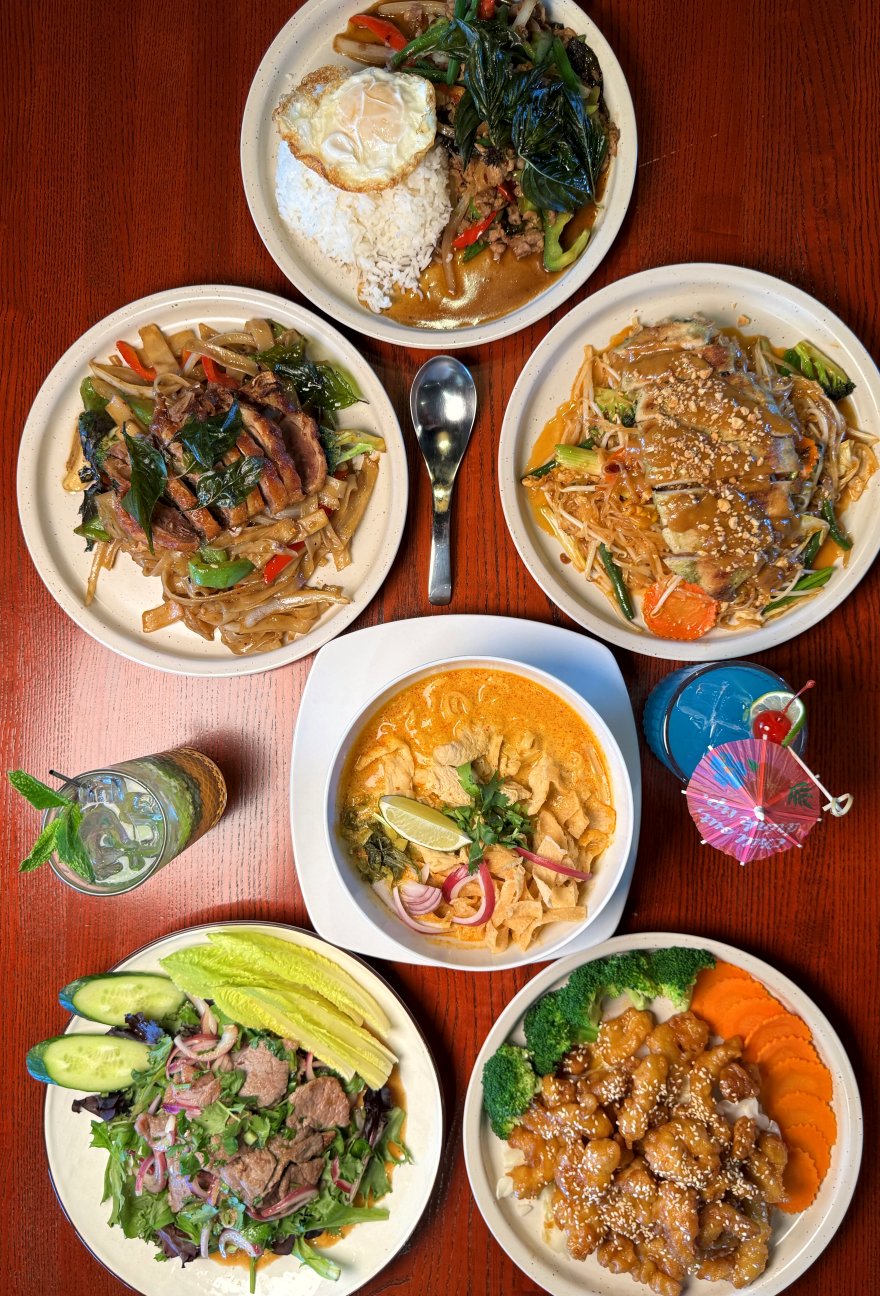
There are meals you plan for, and there are meals you crave. Drunken Noodle belongs firmly in the second category. When the urge hits, it is rarely subtle. You want wide rice noodles with char on the edges, a glossy sauce that leans savory with a flicker of sweetness, fresh basil that perfumes the whole bowl, and enough chili to wake up your palate without flattening it. You do not want a generic stir fry. You want the real thing, or at least a version made with care.
That is why the search for “Drunken Noodles Near Me” can feel oddly personal. It is not just about distance. It is about finding the place nearby that gets the balance right. A bowl can arrive looking perfect and still miss the mark if the noodles are overcooked, the sauce is too heavy, or the vegetables are an afterthought. On the other hand, a modest neighborhood spot with fluorescent lighting and a scuffed pickup shelf can turn out the kind of Drunken Noodle you think about for days.
If you have ever opened three delivery apps, cross checked ratings, read twenty reviews, and still felt unsure, you are not alone. Thai food, especially stir fried noodle dishes, rewards nuance. The best bowl close to home is usually not the one with the flashiest branding. It is the one that understands heat, wok timing, and restraint.
What Drunken Noodle is supposed to taste like
Drunken Noodle, often associated with the Thai dish pad kee mao, should be bold and lively. The noodles are typically broad rice noodles, cooked quickly over high heat so they stay pliable but not limp. The sauce often draws from soy-based seasoning, oyster sauce, fish sauce, and sometimes a little sugar, but no single element should dominate. You should notice depth first, then aroma, then spice.
Fresh Thai basil matters more than many diners realize. Without it, the dish can feel flat and dark. With it, the whole bowl lifts. The basil gives Drunken Noodle its unmistakable fragrant edge, especially when it hits a hot pan in the final moments of cooking. Garlic and chili should be present, but they should not bully everything else off the plate.
Protein matters, though not as much as technique. Chicken is common and can be excellent when sliced thin and cooked fast. Beef can add richness. Shrimp works when it is not overdone. Tofu, when properly browned, holds up beautifully against the sauce. Some of the best versions I have had used very little protein at all and let the noodles, basil, and vegetables do most of the work.
A good Drunken Noodle also carries a little wok breath, that lightly smoky note from high heat. You cannot fake it with extra sauce. It comes from timing, pan temperature, and not overcrowding the wok. That one detail often separates a solid neighborhood takeout order from a truly memorable one.
Why nearby does not always mean convenient
When people search for Drunken Noodles Near Me, they usually mean one of two things. They either want the closest reliable option, or they want the best option within a distance that still makes sense on a weeknight. Those are not always the same place.
A Thai restaurant ten minutes away may produce a better bowl than one five minutes away if the farther spot packs noodles properly and maintains consistency. Stir fried noodles are notoriously sensitive to travel time. A dish that sits sealed in a takeout container for twenty minutes can steam itself into softness. That does not mean delivery is a lost cause, only that a restaurant’s handling practices matter. Some kitchens slightly undercook the noodles for takeout, which is smart. Others pile sauce into the container, which may look generous but often ruins texture by the time you eat.
Proximity also changes depending on your day. At lunch, you may want a quick pickup near the office. On a rainy Friday night, fifteen extra minutes can feel like a lot. The perfect bowl close to home is not always the same bowl in every situation. The useful question is not simply “what’s closest?” It is “which place nearby fits the way I am actually going to eat this tonight?”
The signs of a great local Thai spot
Some clues show up before you even order. A focused menu is often a good sign. Thai restaurants that do everything from sushi to burgers to pasta tend to spread themselves thin. A menu with a thoughtful range of Thai standards, a few house specialties, and customizable spice levels is usually more promising.
Descriptions matter too. If the restaurant notes basil prominently in its Drunken Noodle, that is encouraging. If the dish sounds interchangeable with pad see ew, it may be an overly sweet, less spicy interpretation. Photos can help, but they can mislead. Look for wide noodles that appear glossy rather than wet, vegetables with color still intact, and basil visible in the mix. If every photo looks dark brown and shiny like mall food court lo mein, temper your expectations.
Reviews are most helpful when they are specific. “Amazing food” tells you almost nothing. “Noodles had great chew, spice level three was real, basil came through, held up well during delivery” tells you a lot. I pay particular attention to comments from people who mention repeat orders. Thai food can impress once, but consistency is what makes a place your place.
How to read reviews without getting fooled
Restaurant reviews skew emotional. A glowing five star rating may reflect fast service more than food quality. A one star complaint may have more to do with a missing spring roll than the Drunken Noodle itself. The trick is to filter for the details that matter to the dish.
When I am checking a place I have never tried, I usually look for a pattern across recent reviews. If several people mention the same strength, such as “nice smoky flavor” or “great balance, not too sweet,” that is meaningful. If multiple people complain that the noodles are mushy or the dish tastes like straight soy sauce, believe them. Texture flaws are hard to explain away.
It also helps to know the local context. In some cities, Thai food is fiercely competitive and standards are high. In others, a restaurant can have a strong rating simply because there are few alternatives nearby. A 4.3 in a dense food neighborhood can be more impressive than a 4.7 in an area with limited options. Numbers alone are never enough.
One more thing deserves mention: photos in reviews often reveal more than menu pictures. Customer shots show what actually arrives on a typical day. If every user photo of Drunken Noodle looks pale, greasy, or oddly sparse on basil, take that seriously.
Picking the right spice level
This is where many otherwise excellent orders go sideways. Drunken Noodle should have heat, but “spicy” means different things in different kitchens. Some restaurants calibrate for a broad audience and play it safe. Others take your requested spice level as a challenge.
If you are trying a new place, moderate is usually the smart first move. Heat should sharpen the dish, not erase its flavor. The basil, garlic, and savoriness need room to register. A bowl that makes https://waylondoav067.capitaljays.com/posts/drunken-noodles-near-me-from-mild-to-extra-spicy-where-to-order your scalp sweat can be wonderful if it stays balanced. A bowl that only tastes like raw chili is just punishment in a takeout box.
There is also a practical issue with delivery. Spice tends to deepen as food sits. The same is true for salt perception. A level that feels perfect in the dining room can feel more aggressive twenty minutes later on your couch. Once you know the restaurant, adjust from there.
Delivery versus pickup versus eating in
The best version of Drunken Noodle is usually the one eaten within minutes of leaving the wok. That gives eating in a natural advantage. The noodles stay springy, the basil remains bright, and any wok char is still distinct. If a restaurant has a capable kitchen and decent table service, dining in is the surest route to seeing what it can really do.
Pickup is often the sweet spot for regular life. You avoid the extra delays of delivery and cut down the time trapped in a sealed container. If the restaurant is close enough, a pickup order can taste surprisingly close to the dine in version. I have had weeknight takeout from neighborhood Thai places that beat more polished restaurants simply because the food got from wok to fork so quickly.
Delivery asks the most of the dish, but it can still work. The best restaurants compensate through smart packing and timing. If you are ordering delivery, watch the distance and the traffic, not just the app rating. A highly rated restaurant three miles away across heavy city traffic may deliver a worse bowl than a less celebrated place one mile away.
A few practical habits make a difference:
- Choose pickup if the restaurant is within a short drive or walk.
- For delivery, order during off peak hours when possible.
- Start with a medium spice level at a new restaurant.
- Reheat only briefly if needed, just enough to loosen the noodles.
- Add a squeeze of lime or fresh basil at home if the dish arrives muted.
That last trick is not a rescue plan for bad cooking, but it can revive a decent bowl that lost some brightness on the way over.
What separates Drunken Noodle from other noodle dishes on the menu
A lot of confusion around ordering comes from overlap among Thai noodle dishes. Drunken Noodle shares ingredients with several neighbors on the menu, but the final experience should be distinct.
Pad see ew often leans sweeter and softer, with a gentler profile built around soy and Chinese broccoli. It is comforting, broad shouldered, and usually less spicy. Pad Thai is its own thing altogether, with tamarind tang, peanuts, and a more delicate noodle texture. Drunken Noodle should taste more assertive than either one. It should announce itself.
That matters because some restaurants flatten differences for speed and convenience. They may use the same base sauce, then tweak sweetness or chili on the fly. The result can be perfectly edible, but it will not scratch the itch if you were specifically craving Drunken Noodle. This is where reviews and repeat experience matter. The right local spot knows that the dish is not just “spicy noodles.” It has a personality.
The role of basil, vegetables, and protein
Fresh basil is nonnegotiable in my book. If I order from a place twice and it arrives without real basil fragrance both times, I stop ordering the dish there. Basil is not garnish here. It is structural.
Vegetables should be cooked enough to blend with the noodles but not so far that they disappear. Bell pepper, onion, baby corn, broccoli, green beans, and carrots all show up depending on the kitchen. There is room for variation. What matters is that they still have shape and a little bite. Limp vegetables release water, which weakens sauce and softens noodles.
Protein is where restaurant style really shows. Some local spots are generous to the point of imbalance, burying the noodles under chunks of chicken. Others go light and keep the dish centered on starch and sauce. Neither approach is automatically wrong. I tend to prefer a moderate hand. Too much protein cools the pan and disrupts stir fry texture. That is one reason the best Drunken Noodle bowls often feel simpler than diners expect.
Tofu deserves special respect here. A well executed tofu Drunken Noodle is not a compromise order. Crisp edged tofu absorbs sauce beautifully and gives the bowl a satisfying contrast. It also tends to travel better than shrimp, which can tip from tender to rubbery in very little time.
When a cheap bowl beats an expensive one
Price is a clue, not a verdict. In many areas, Drunken Noodle sits in a rough middle band, often around the low teens to high teens before delivery fees. Prices rise in dense urban neighborhoods, especially where rent and labor costs are high. That does not mean the twenty dollar bowl is better than the twelve dollar one.
I have found some of the strongest versions in unglamorous strip mall restaurants where the kitchen clearly does a huge takeout volume and has the timing down. The place may not have stylized branding or moody lighting. It may have laminated menus and a refrigerator full of Thai iced tea by the register. But if the wok station is humming and the basil is fresh, that can be a better bet than a more expensive concept restaurant where Thai food is only part of the identity.
What you are paying for should show up on the plate. Better ingredients, thoughtful spice, balanced sauce, and dependable portion size justify a higher number. Decorative packaging and inflated delivery markups do not.
How to test a new restaurant without wasting money
The first order from an unfamiliar Thai place should be deliberate. Resist the urge to order half the menu. Start with the dish you actually want, and perhaps one side or appetizer if you need a second data point. Drunken Noodle tells you a lot about a kitchen because it tests heat control, sauce balance, noodle handling, and herb freshness all at once.
When it arrives, notice the aroma before anything else. If you smell basil and garlic immediately, that is a good sign. Then check the noodles. They should separate without tearing apart into mush. Taste one bite without adding anything. If the sauce is balanced from the start, the kitchen likely knows what it is doing. If you immediately feel the need for sugar, acid, chili flakes, or soy sauce, something is off.
The second order is often the real test. A restaurant can nail one service and stumble the next. If a place is good twice, especially at different times of day, it is much more likely to become a reliable answer to the “Drunken Noodles Near Me” question.
Red flags worth noticing
A few warning signs come up again and again with disappointing orders. The most common is excess sauce. Drunken Noodle should coat the noodles, not pool underneath them. Too much liquid turns the dish heavy and causes the noodles to break down.
Another red flag is uniformity. If every bite tastes exactly the same, with no lift from basil and no contrast from vegetables, the dish was probably assembled mechanically rather than cooked with attention. Likewise, if the noodles are cut into short lengths, that can signal rough handling or low quality prep. Wide rice noodles naturally tear a bit, but they should still feel like broad ribbons, not scraps.
Watch for sweetness too. A little sugar rounds the sauce. Too much makes the dish sticky and one note. This is especially common in restaurants that cater to broad takeout demand. If your Drunken Noodle eats like candy soy noodles with chili flakes, keep looking.
Building your own neighborhood shortlist
After enough trial and error, most people end up with a short mental ranking rather than one permanent favorite. That is the sensible approach. You may have one place with the best dine in version, another that travels well for delivery, and a third that is ideal when you want a larger portion at a fair price.
My own shortlist in any neighborhood usually comes down to a few practical questions. Which place keeps the noodles intact? Which one uses fresh basil consistently? Which kitchen understands that spicy and salty are not the same thing? Which restaurant can produce the same quality on a Tuesday night that it does on a Saturday? Once you know those answers, your search gets much easier.
Here is a useful way to think about local contenders:
| What to judge | Strong sign | Weak sign | |---|---|---| | Noodle texture | Chewy, glossy, distinct strands | Soft, clumped, broken | | Sauce balance | Savory first, slight sweetness, real depth | Salty or sweet without complexity | | Basil presence | Fragrant, visible, fresh | Barely noticeable or absent | | Spice handling | Heat with flavor still intact | Harsh chili blast or no heat at all | | Travel resilience | Holds up 15 to 20 minutes | Turns soggy almost immediately |
This kind of comparison sounds picky, but that is the point. The dish rewards attention. Once you have tasted a version that gets all five right, it becomes much harder to settle for less.
The local search is really about trust
People often frame restaurant search as discovery, but for weeknight staples it is more about trust. You want to know that when you type “Drunken Noodles Near Me,” the result you choose will satisfy the craving rather than create a new one. That trust builds from repetition. It is the comfort of knowing how a place handles spice, how fast they are during dinner rush, and whether the noodles arrive with just enough bite.
The best nearby Thai spot becomes part of your routine in a quiet way. It is there after a long workday, after a late errand run, after one of those evenings when cooking is out of the question and only noodles with basil and chili will do. You stop reading every review because you already know. You have done the fieldwork.
Finding the perfect bowl close to home is rarely about a single magical restaurant reveal. It is usually the result of paying attention to the details that matter, trying a few places with care, and learning which kitchens respect the dish. When you find that spot, the search term fades into the background. It is no longer “Drunken Noodles Near Me.” It is just your order, from your place, exactly when you need it.
Nakhon Luang Thai Kitchen
Address: 805 Village Center Dr, Colorado Springs, CO 80919
Phone number: +17195315175
FAQ About Drunken Noodles Near Me
What makes it drunken noodles?
Drunken noodles, or Pad Kee Mao, get their name from the Thai word khi mao (meaning "drunkard"). They contain no alcohol. The name comes from the idea that the dish is a popular late-night meal to cure a hangover or a great food to eat with a cold beer.
What is the difference between pad see ew and drunken noodles?
While both Pad See Ew and Drunken Noodles use the same wide rice noodles, Pad See Ew is a mild, sweet-savory dish made with dark soy sauce and Chinese broccoli, whereas Drunken Noodles (Pad Kee Mao) are fiery, garlicky, and herbaceous with fresh chilies and Thai basil.
What are traditional drunken noodles?
Traditional drunken noodles, known as Pad Kee Mao in Thai, are a fiery, savory street food stir-fry made with wide flat rice noodles, fresh garlic, lots of hot chilies, meat or tofu, and fragrant holy basil. Despite the name, they contain no alcohol; the dish is traditionally eaten late at night or as a hangover cure because the intense spice helps clear the head.