Best Drunken Noodles Near Me for Weekend Takeout
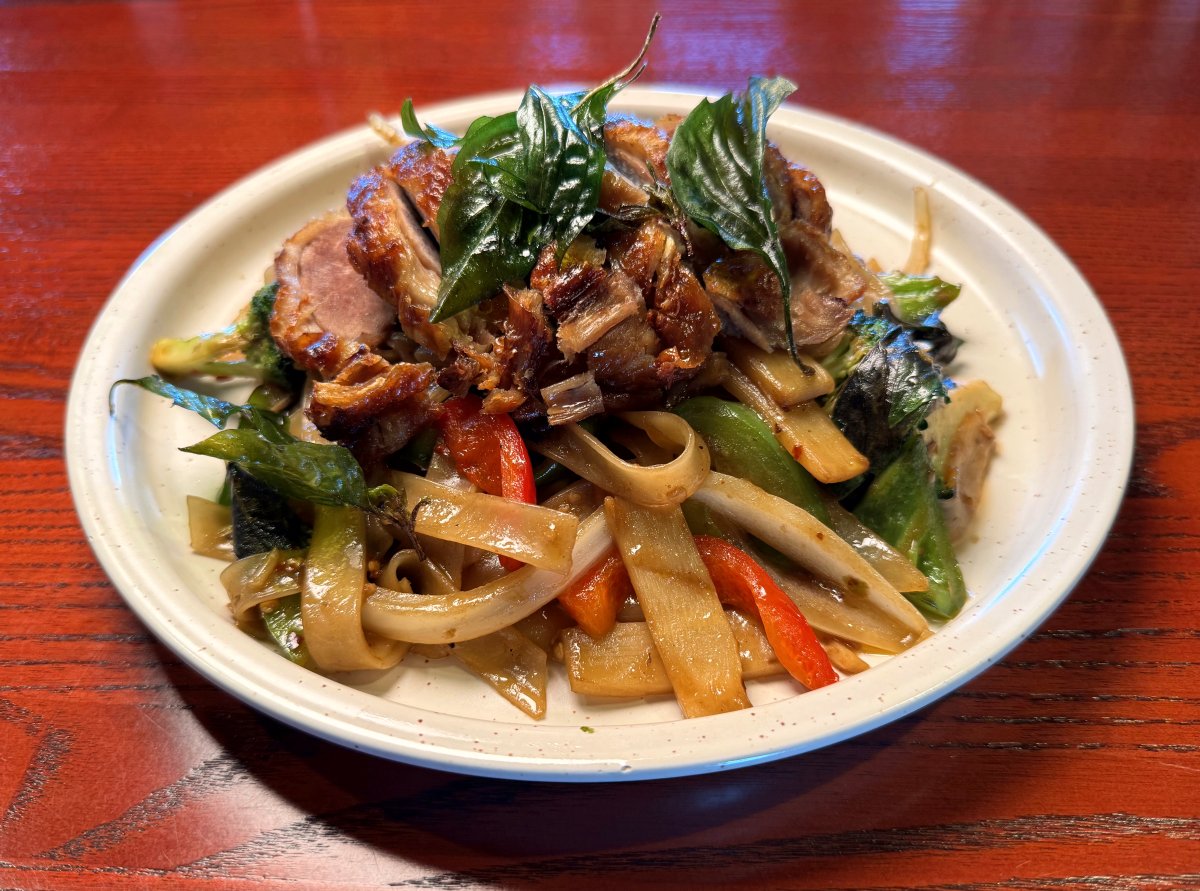
Weekend takeout has a different job than a quick weekday dinner. On a Saturday night, people want food that travels well, still tastes alive after the drive home, and feels generous enough to anchor the evening. That is exactly why so many diners end up searching for Drunken Noodles Near Me when the craving hits. A good plate of drunken noodles brings heat, sweetness, char, basil perfume, and enough chew to make it satisfying even twenty minutes after it leaves the wok.
That last part matters more than most restaurant guides admit. Plenty of dishes shine in the dining room and fade inside a takeout box. Drunken noodle, when the kitchen knows what it is doing, often survives the trip better than delicate curries, crisp appetizers, or noodle soups with separately packed broth. Wide rice noodles hold sauce. Thai basil keeps its fragrance. Bell pepper, onion, baby corn, broccoli, or whatever vegetables the cook uses can soften a little without losing their purpose. Add chicken, beef, shrimp, tofu, or a mixed protein option, and you have one of the most dependable weekend takeout orders in Thai cooking.
Still, not every restaurant turns out the same result. One shop sends glossy, smoky noodles with real wok hei and a clean chili finish. Another hands over a sweet, gummy tangle that tastes like soy sauce and sugar. If you want the best Drunken Noodle for takeout, it helps to know what separates a reliable order from a disappointing one.
What makes drunken noodles worth ordering out
Drunken noodles, often known on Thai menus as pad kee mao, are built for appetite. The dish is bold by design. Wide rice noodles soak up a concentrated sauce, usually with soy-forward savoriness, chili heat, garlic, and basil as the aromatic signature. The name tends to spark questions from diners who expect alcohol in the dish, but in most restaurant settings the point is the style, not the presence of liquor. It is the kind of food people reach for after a long week, late at night, or when they want something louder and more assertive than pad thai.
From a takeout perspective, the dish has several advantages. First, the noodles are substantial enough to retain texture if they were cooked correctly to begin with. Second, the sauce is usually clingy rather than watery, so it is less likely to pool in the container and turn everything soggy. Third, the flavors are broad enough to stay expressive even after a short steam period in the box.
I have eaten versions from strip-mall Thai counters, polished urban restaurants, food hall stalls, and family-run places where the owner answers the phone, packs the bag, and checks the spice level herself. The best takeout portion usually lands in a familiar sweet spot: noodles that are lightly oily but not greasy, basil that still reads as basil, and a heat level that wakes up the dish without flattening the palate. That balance is harder to hit than it sounds.
The signs of a truly good takeout version
When people type Drunken Noodles Near Me into a search bar, they often focus on distance, star rating, and delivery time. Those are reasonable filters, but they do not tell you much about the actual noodles. For weekend takeout, quality shows up in a few practical ways.
The noodles should arrive distinct, not fused into a brick. Rice noodles naturally settle and cling as they cool, but they should still separate with a fork or chopsticks without tearing into paste. If the restaurant undercooks them, they feel stiff and chalky at the center. If it overcooks them, they collapse into a gummy sheet. The ideal texture has some resistance, especially in the thicker center of the noodle.
The sauce should taste rounded. Salty alone is not enough. Sweet alone is worse. Good drunken noodle sauce moves through garlic, umami, chili, and a slight caramelized edge from high heat. Better kitchens use the wok to develop flavor instead of relying on extra sauce to compensate. That means the noodles taste seasoned, not soaked.
Vegetables tell a story too. A lot of takeout diners overlook them because the dish is noodle-forward, but vegetables reveal whether the cook respects timing. Onion should soften and sweeten without disappearing. Bell pepper should stay faintly crisp. Chinese broccoli, regular broccoli, or green beans should still have structure. Mushrooms should not flood the container with moisture. If the vegetables are mush, the kitchen likely lacks control across the board.
Basil is the final test. Thai basil should be visible and aromatic. It may darken in the heat, which is normal, but it should still contribute that unmistakable peppery, anise-like lift. Without basil, the dish can taste generic. With too little, it tastes unfinished. With old basil, it tastes tired.
Why weekend takeout changes the equation
A dish that works at lunch can behave differently on a busy Friday or Saturday night. Weekend service brings longer ticket times, more delivery drivers crowding the pickup shelf, and sometimes a less experienced line cook trying to keep up with demand. All of that affects your Drunken Noodle.
A restaurant that is excellent on a quiet Tuesday may struggle during prime dinner rush. Noodles sit too long before packing. Spice requests get lost. Containers are overfilled, which traps excess steam. Proteins are cooked in larger batches, and suddenly your shrimp are rubbery or your chicken feels reheated. This is why repeat experience matters more than a one-time online review. The best weekend takeout spots are not just flavorful, they are consistent under pressure.
There is also the matter of timing at home. Drunken noodles have a forgiving window, but they are still best eaten soon after arrival. In my experience, the ideal range is within fifteen to thirty minutes of pickup or delivery. After that, texture starts to slide. The noodles remain edible much longer than fries or tempura, but the dish loses some of the fresh basil edge and wok aroma that make it compelling in the first place.
How to judge a restaurant before you order
You do not need a food critic’s palate to make a smart choice. You need a few useful clues and a realistic sense of what the kitchen is likely to prioritize.
Menu language can be surprisingly revealing. If a place gives its drunken noodle its own identity, with a clear spice note, visible basil in the photo, and options for protein or heat level, that usually suggests the dish is a regular seller. If it appears as an afterthought with vague wording, the result may be forgettable. Photos help, but only to a point. Look for noodles that appear glossy and loose, not lacquered to the point of looking heavy.
Reviews are more helpful when they mention specifics. “Great Thai food” is pleasant but not actionable. “The pad kee mao had good heat, fresh basil, and stayed intact during delivery” is useful. I put more trust in comments about texture, spice accuracy, and portion balance than in generic praise.
There is also value in studying the broader menu. A restaurant with several wok noodle dishes often has a stronger hand with heat control and noodle timing than a place centered on sushi, boba, and a handful of Thai staples added for range. Hybrid menus can still produce a solid Drunken Noodle, but specialization tends to help.
Spice level is not a side issue
One of the easiest ways to ruin your own order is to choose the wrong spice level. Drunken noodles should have heat, but how much depends on your tolerance and the restaurant’s interpretation. A medium at one place can feel like a gentle hum. A medium at another can leave you reaching for iced tea halfway through the first container.
Takeout changes this, because steam intensifies aroma and trapped sauce concentrates on the noodles. A dish that tastes perfect in-house may feel hotter once it sits closed in transit. If you are trying a restaurant for the first time, asking for medium or medium-hot is usually smarter than jumping straight to “Thai hot.” You can always add chili crisp or fresh sliced chilies at home. You cannot remove raw heat once it has soaked into the noodles.
This matters even more if you are ordering for a group. Drunken noodle is often the one dish people plan to share, but spice can limit that. If the table includes mixed preferences, consider ordering one standard plate and one upgraded version with extra heat. That often works better than trying to split the difference with a single order no one fully enjoys.
Protein choices that actually hold up
Not every protein travels equally well in a hot noodle dish. Weekend takeout magnifies those differences.
Chicken is the safest common choice. It absorbs sauce well, stays tender if the kitchen slices it properly, and reheats without too much trouble if dinner gets delayed. Beef can be excellent, especially in a darker, smokier version of the dish, but overcooking is common when the line is slammed. Shrimp gives the noodles sweetness and contrast, though it has the narrowest margin for error. Five minutes too long in the container and it starts to toughen. Tofu works surprisingly well for takeout when it is seared first and not simply dropped in as an afterthought.
Mixed seafood can sound appealing on a menu, but it is usually the least predictable weekend order. Different seafood items cook at different speeds, and takeout steam is not kind to them. If your goal is dependable takeout quality rather than menu ambition, simpler usually wins.
The difference between great wok flavor and heavy sauce
Many disappointing drunken noodles share a single flaw. They mistake intensity for quality. The cook adds more sauce to create impact, but instead of depth you get heaviness. The noodles darken, the salt climbs, and the dish tastes one-note by the halfway mark.
A better version uses heat rather than excess liquid. The noodles pick up light char. Garlic blooms. Sauce reduces just enough to coat instead of drown. You taste separate elements working together: soy, chili, basil, sweetness, and the faint smokiness that comes from proper stir-frying. That is why the best Drunken Noodle often looks less dramatic than the worst. It is not trying to impress you with sheer volume of sauce.
This is also where pickup often beats delivery. The shorter the trip, the less time the noodles have to steam in their own heat. If you have a strong local Thai spot within ten or fifteen minutes, picking it up yourself can preserve the texture that the kitchen worked to create.
Packaging matters more than most people think
A restaurant can cook a strong dish and still lose points in the final minute if the packaging is poor. Shallow, vented containers tend to serve drunken noodles better than deep, overstuffed bowls with snap-tight lids that trap every bit of steam. Too much trapped moisture softens the vegetables and compresses the noodle texture.
Good packaging also separates obvious add-ons. Lime wedges, chili vinegar, extra fish sauce, or crushed peanuts, if offered, should stay outside the hot compartment. Very few places do this perfectly, but when they do, the meal feels cared for. It gives you room to tune the final bite at home instead of inheriting a pre-steamed garnish.
There is another practical detail that seasoned takeout regulars notice immediately: fill level. Overpacked containers seem generous, but they often hurt the dish. Noodles compressed edge to edge steam harder and tangle more. A slightly roomier box can deliver a better eating experience even if the portion looks less dramatic at first glance.
When drunken noodles beat pad thai, and when they do not
People often compare these two because they occupy similar menu real estate, but they satisfy different cravings. Pad thai leans tangy, nutty, and sweet-savory. Drunken noodle leans basil-heavy, garlicky, spicy, and more savory overall. For weekend takeout, drunken noodles usually have the edge if your priorities are heat, fullness, and durability on the ride home.
That said, Drunken Noodle is not always the right call. If you are feeding kids, heat-sensitive adults, or someone who prefers a brighter tamarind profile, pad thai may be the smoother choice. If your local restaurant tends to underuse basil or over-sauce its pad kee mao, another noodle dish might simply be better there. Smart ordering is less about what should be best in theory and more about what a specific kitchen executes well.
The same logic applies to drunken noodles versus curry. Curry can be more luxurious and aromatic, especially with rice, but it is also more vulnerable to spills, separation, and lukewarm delivery. Noodles often win the convenience contest.
Getting the best result at home after pickup or delivery
Once the food arrives, a few small habits make a big difference. Open the container sooner rather than later. Letting the dish sit sealed while you set the table creates extra steam and softens everything. If the noodles are clumped, toss them gently while still hot rather than waiting for them to cool and stick further. If you have ordered extra spice on the side, add it gradually. It is easier to build heat than to recover from too much.
If dinner gets interrupted and you need to reheat later, use https://blogfreely.net/galairvoxt/drunken-noodles-near-me-exploring-flavor-heat-and-fresh-ingredients a skillet if possible. A splash of water and a minute or two over medium heat will revive the sauce better than a microwave alone. The microwave is perfectly serviceable for speed, but it can push the noodles from tender to floppy if you overdo it. Short intervals help.
One rule I learned the hard way is not to refrigerate the takeout container while it is still packed tightly and piping hot. Condensation builds, the noodles compact, and the next-day texture suffers. If leftovers are likely, transferring part of the dish to a wider container before chilling usually pays off.
A quick checklist for spotting the best local option
If you are narrowing down which restaurant deserves your weekend order, these clues are worth your attention:
- Reviews mention basil, texture, and heat accuracy rather than vague praise alone.
- The menu shows clear confidence in wok noodles, not just a token Thai section.
- Pickup times are realistic, not suspiciously fast during rush hour.
- Photos show loose, glossy noodles with visible vegetables, not a dark sauce mass.
- The restaurant offers practical spice choices and protein options without overcomplicating the dish.
Those details sound minor, but together they tell you a lot about whether the kitchen treats Drunken Noodle as a core strength or just another line on the menu.
Common ways restaurants miss the mark
Bad drunken noodles are rarely bad for a mysterious reason. The mistakes are usually visible and fixable. Sometimes the noodles are rinsed or held poorly, which leads to breakage or clumping. Sometimes the sauce is sweetened too aggressively for broad appeal. Sometimes basil is added too early and disappears, or too late and never integrates. And on busy nights, the biggest problem is often plain overcrowding in the wok. When too much food goes in at once, the ingredients steam instead of sear, and the whole dish loses its spark.
I have also seen restaurants confuse abundance with value by padding the order with oversized vegetable cuts or too much onion. A good ratio matters. You want enough vegetable crunch and aromatic lift to break up the starch, but the noodles should still be the center of gravity.
There is a separate issue with delivery platforms that batch multiple stops. Even a strong restaurant can lose points when your noodles take a scenic tour of the neighborhood. If the app gives you the choice between standard and priority delivery, this is one of the few dishes where the upgrade can make sense, especially from a restaurant more than a few miles away.
Why this dish keeps earning its place in weekend rotation
Part of the enduring appeal is emotional. Drunken noodles feel informal in the best way. They do not demand ceremony. You can eat them from the container on the couch, plate them with a crisp cucumber salad for a more composed dinner, or split two entrees across the table and still feel like everyone got something substantial. They are filling without being dull, rich without necessarily being heavy, and dramatic enough to scratch the itch for restaurant food at home.
They are also one of the easiest dishes to evaluate after a single order. You usually know by the first few bites whether a place understands the fundamentals. If the noodles are slick with flavor, the basil rises clearly, and the vegetables still have life, you have probably found a keeper. If the dish arrives sticky, overly sweet, and steam-tired, no clever description on the app will save it.
For anyone regularly searching Drunken Noodles Near Me, that clarity is useful. You do not need a perfect citywide ranking or a mythical “best” for every palate. You need a local restaurant that can deliver the same satisfying result on a busy weekend that it promises on its menu. When you find that place, the order becomes almost automatic. The week ends, the appetite shows up, and the answer is already waiting.
The order that rarely disappoints
If I had to recommend a baseline weekend order for someone trying a new spot, I would keep it straightforward:
- Drunken Noodle with chicken or tofu
- Medium or medium-hot spice
- Extra Thai basil if the restaurant allows modifications
- Pickup instead of delivery when practical
- A simple side like spring rolls only if the kitchen is known for them
That combination gives you the best chance of tasting the dish itself rather than fighting the variables around it.
A great Drunken Noodle does not need gimmicks. It needs a hot wok, balanced sauce, fresh basil, and a cook who understands timing. For weekend takeout, that formula is hard to beat. When the restaurant gets it right, you open the container and the room fills with garlic, chili, and basil before the first bite even lands. At that point, the search for “best” becomes much simpler. You have found the place you will reorder from next Friday.
Nakhon Luang Thai Kitchen
Address: 805 Village Center Dr, Colorado Springs, CO 80919
Phone number: +17195315175
FAQ About Drunken Noodles Near Me
What makes it drunken noodles?
Drunken noodles, or Pad Kee Mao, get their name from the Thai word khi mao (meaning "drunkard"). They contain no alcohol. The name comes from the idea that the dish is a popular late-night meal to cure a hangover or a great food to eat with a cold beer.
What is the difference between pad see ew and drunken noodles?
While both Pad See Ew and Drunken Noodles use the same wide rice noodles, Pad See Ew is a mild, sweet-savory dish made with dark soy sauce and Chinese broccoli, whereas Drunken Noodles (Pad Kee Mao) are fiery, garlicky, and herbaceous with fresh chilies and Thai basil.
What are traditional drunken noodles?
Traditional drunken noodles, known as Pad Kee Mao in Thai, are a fiery, savory street food stir-fry made with wide flat rice noodles, fresh garlic, lots of hot chilies, meat or tofu, and fragrant holy basil. Despite the name, they contain no alcohol; the dish is traditionally eaten late at night or as a hangover cure because the intense spice helps clear the head.