Best Drunken Noodle Near Me for Rich Sauce and Perfect Noodles
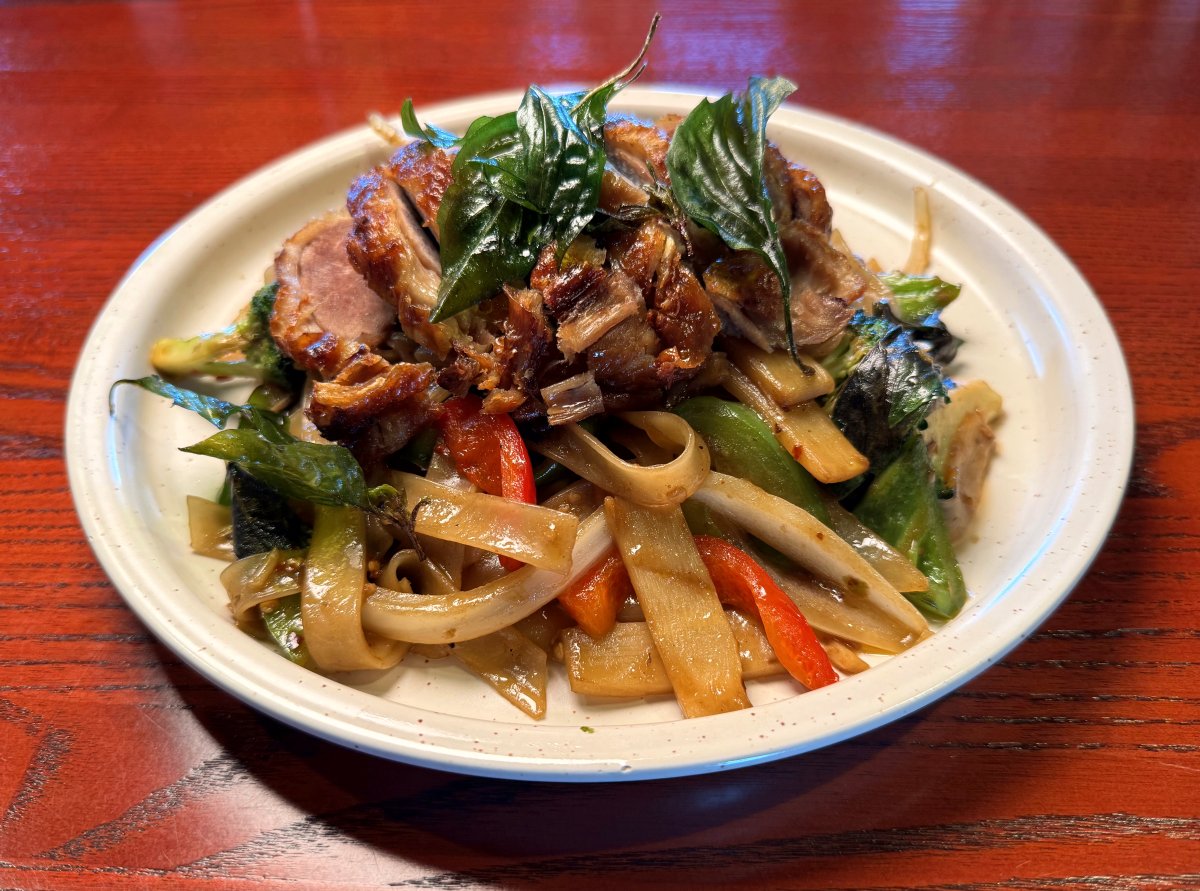
If you have ever searched for Drunken Noodles Near Me when hunger was already winning, you know how unreliable the results can be. One place serves a glossy, deeply savory plate with broad rice noodles that hold their chew. Another sends out a watery tangle with a few basil leaves and a blast of sugar. On paper, both claim to serve drunken noodle. On the table, they are not even close.
That gap matters because drunken noodle, or pad kee mao, is one of those dishes that exposes a kitchen almost immediately. It looks casual, but it is not forgiving. The noodles must stay springy without turning gummy. The sauce needs body, not just salt. The heat should wake up the palate, not scorch it flat. The vegetables should still taste like vegetables. And the basil, often overlooked by rushed kitchens, has to arrive fragrant and bright enough to cut through the richness.
A really good plate feels loose and abundant, yet tightly controlled. It is the kind of dish you keep eating long after you planned to stop, partly because the sauce clings so well, and partly because every bite lands a little differently. One forkful leans into char, another into chili, another into sweet basil and onion. That range is what separates a dependable neighborhood favorite from a forgettable takeout order.
What makes a great drunken noodle plate
Many people judge drunken noodle by spice alone. That is understandable, since the dish has a reputation for heat. Still, if the only memorable thing about it is fire, the kitchen probably missed the point. Strong drunken noodle is built on balance, and that balance starts in the pan.
The first tell is the noodle itself. Broad rice noodles should bend without breaking and resist just enough when you bite them. Fresh noodles tend to deliver the best texture, though skilled cooks can do impressive work with dried ones. The danger zone is narrow. A few extra moments in the wok and the noodles slip from supple to pasty. Too little heat, and they stay stiff or chalky at the center.
The second tell is sauce absorption. You do not want noodles sitting in a puddle, and you do not want dry strips with seasoning smeared over the top. The best versions look almost lacquered. The sauce should cling in a thin, shiny layer that reaches the edges of each noodle. That usually means the cook understood both timing and heat. It also suggests that the pan was not overcrowded, which matters more than many diners realize.
Then there is the aromatic structure. Garlic should be noticeable but not raw. Chili should smell alive. Onion should soften while keeping some snap. Bell pepper, if used, should add sweetness and moisture without flooding the dish. Thai basil should come in at the right moment so it wilts slightly and perfumes the whole plate. If the basil is tossed in too early, it disappears. Too late, and it tastes disconnected.
Protein deserves attention too. Chicken is common and can be excellent, but it should be cut to cook quickly and stay moist. Beef needs enough sear to hold its own against the sauce. Shrimp must stay plump. Tofu should not be an afterthought. In better kitchens, tofu is pressed, browned, and seasoned so it contributes texture rather than merely taking up space.
Why rich sauce matters more than extreme spice
When people talk about craving Drunken Noodle, they often describe the taste as spicy, sweet, salty, and smoky all at once. That description is not wrong, but it misses the thing that gives the dish real depth, which is a rich, rounded sauce.
Rich does not mean heavy. It means layered. A proper sauce typically leans on soy-based seasoning, oyster sauce in many restaurant versions, fish sauce in varying proportions, a touch of sugar, and the flavor that comes from wok cooking itself. When the pan is hot enough, the sauce reduces quickly and picks up toasted edges. That reduction creates concentration. Suddenly the savory notes deepen, the sweetness stops feeling obvious, and the whole plate tastes more complete.
A weak sauce fails in one of two directions. Either it is watery and slides away from the noodles, or it is aggressively salty without any cushion underneath. Both mistakes make the dish tiring after a few bites. A rich sauce, by contrast, keeps you interested. It leaves a faint sheen on the lips, carries the aroma of basil and garlic, and lingers with enough complexity that you notice new details on the next bite.
This is one reason drunken noodle can be a smarter order than some other noodle dishes when you are assessing a new Thai restaurant. It asks the kitchen to manage sauce reduction, wok heat, timing, and texture in a single pan. If they get it right, it often signals competence across the menu.
The noodle texture that separates average from memorable
Perfect noodles are not accidental. They are the product of restraint. A lot of disappointing takeout happens because broad rice noodles are deceptively delicate. They can look sturdy in the package and then turn sticky during service. If the cook panics and adds extra sauce to loosen them, the dish becomes slippery. If the cook leaves them too long in the wok trying to develop char, they can fragment or clump.
The sweet spot is a noodle that feels hydrated all the way through but still has grip. Think less mushy comfort food, more polished elasticity. Good noodles also carry microscopic bits of caramelization from the pan. You may not see dramatic blackening, but you will taste those roasted notes in the background.
Delivery introduces another complication. Even a well-made order can steam itself into softness if it sits closed for too long. That is why the best drunken noodle near you for dine-in may not be the best choice for a 25-minute drive home. Some https://medium.com/@nakhonluangthaikitchen/about restaurants pack smartly and slightly undercook the noodles to account for carryover heat. Others do not. If you order often enough, you learn which places understand the realities of takeout and which ones cook as if every plate will be eaten ten feet from the wok.
How to judge a restaurant before you order
A menu will not tell you everything, but it gives clues. Restaurants that list drunken noodle among a range of wok-fried noodles often have the station setup to execute it consistently. Places that scatter Thai dishes among several unrelated cuisines can still be good, though consistency becomes less certain. Volume matters too. A kitchen that moves noodles all night tends to have better heat rhythm and fresher mise en place than one that cooks the dish once or twice an evening.
Descriptions can help if you read between the lines. Broad rice noodles, Thai basil, chili, onion, and a named protein suggest the restaurant knows the dish in its classic form. If the description feels vague or oddly generic, that does not prove failure, but it should lower expectations. Photos also reveal a lot. Excessively dark sauce can mean overcompensation with soy. Pale noodles often suggest weak seasoning. Huge chunks of raw-looking vegetables hint at rushed cooking.
These are the signs I pay attention to when choosing a new place:
- noodles that look glossy rather than wet
- visible basil distributed through the dish, not piled on top
- vegetables cut for fast cooking, not oversized chunks
- a light char at the edges instead of a uniformly steamed look
- protein proportionate to the noodles, not buried or sparse
None of those details guarantees a great meal, but together they improve the odds.
Dine-in versus takeout, the difference is bigger than people think
Drunken noodle is one of the clearest examples of a dish that changes character between the restaurant and the car seat. Fresh from the wok, it can be electric. Ten or fifteen minutes later, it becomes Drunken Noodles Near Me softer, calmer, and more blended. That is not always bad. Some people actually prefer the sauce after it settles into the noodles. But if your priority is perfect noodle texture, dine-in nearly always wins.
The ideal dine-in plate arrives hot enough that aromatic steam rises immediately. You catch basil, chili, and garlic before the first bite. The noodles separate easily. The vegetables still have edge. There is often a faint smoky note that vanishes fastest in transit.
Takeout asks different questions. How well is the dish vented? Are the noodles packed so tightly that they continue steaming? Does the restaurant place sauce-heavy noodles next to anything that leaks extra moisture? Better operators understand these variables. They use containers that hold heat without trapping too much condensation. They pack side condiments sensibly. They avoid burying fresh herbs where they will blacken.
If you are searching Drunken Noodles Near Me late at night, this distinction becomes especially important. An excellent dine-in Thai restaurant may send out merely decent takeout if the kitchen is slammed and the dish waits under heat lamps. A smaller shop with less atmosphere but tighter takeout workflow may give you the better dinner.
Spice level is not a personality test
There is a strange pressure in some takeout culture to order the hottest possible version of everything. Drunken noodle suffers from that habit. The dish should have heat, yes, but the right heat level depends on what the restaurant means by medium, hot, or Thai hot, and those labels vary wildly.
A thoughtful kitchen calibrates spice so the chili sharpens the sauce instead of burying it. At lower heat levels, you should still taste the savory backbone and basil fragrance. At higher heat levels, the dish should remain articulate. If your mouth goes numb after two bites and all nuance disappears, that is not impressive cooking. It is just excess.
When trying a place for the first time, ordering one notch below your ego is often the smart move. Once you know how they handle chilies, you can adjust. Some restaurants build heat mainly with fresh chilies, which create bright, immediate intensity. Others use chili paste or dried chili, which can give a deeper, slower burn. Neither is wrong. The balance with the sauce is what matters.
Protein choices and how they change the dish
Drunken noodle is one of those meals where the protein meaningfully changes the overall experience. Chicken is usually the safest benchmark because it absorbs sauce cleanly and highlights whether the kitchen can keep lean meat tender. Beef brings more richness, especially if the slices pick up sear. Shrimp introduces sweetness and a softer bite, which some people love and others find a little too gentle for the sauce. Tofu can be outstanding when handled well, but mediocre tofu quickly flattens the plate.
Seafood combinations often sound exciting and can be, though they also raise the risk of uneven cooking. Shrimp may be perfect while squid turns rubbery. Mixed protein versions sometimes feel generous but messy, with each item demanding a different cooking time. That is not a deal breaker, but it requires a confident wok cook.
For first visits, I usually think like this:
- chicken tells you the most about a restaurant’s baseline execution
- beef works well if you want a fuller, more savory plate
- shrimp is best when you prefer sweetness and lighter texture
- tofu is excellent only if the restaurant treats vegetarian dishes seriously
- mixed seafood is a gamble, rewarding at the right place, inconsistent at the wrong one
That approach has saved me from a lot of average orders.
The vegetables are not filler
One of the easiest ways to spot a rushed drunken noodle is to look at the vegetables. In weak versions, they function like garnish with no real relationship to the noodles. In stronger versions, they shape the dish bite by bite.
Onion brings sweetness and body when it softens in the wok. Bell pepper can add freshness and color, though too much can water down the pan. Baby corn, carrots, or broccoli show up in some restaurant versions, often to stretch the dish or align with house style. They are not traditional everywhere, but they are not automatically a problem either. What matters is whether they fit the cooking logic. Broccoli that is still wet from blanching can ruin the sauce. Thick raw carrot coins do not belong in a fast noodle stir-fry unless they were pre-cooked. Mushrooms can add savoriness, though they also release moisture and need a hot pan to avoid dulling the flavor.
Basil, however, is nonnegotiable if the restaurant is claiming a classic profile. Without that sweet, peppery lift, the dish loses one of its defining signatures. A lot of otherwise decent places underuse basil because it is expensive, delicate, or inconsistent to source. You taste the shortcut immediately.
Portion size, value, and what "worth it" really means
People often judge noodle dishes by container weight. That is understandable, especially with rising prices, but sheer volume can be misleading. A packed container of over-sauced noodles may feel generous and still be a poor value if the texture collapses halfway through. A slightly smaller portion with better ingredients, proper char, and balanced seasoning can be the smarter buy.
Value in drunken noodle comes from several things at once: enough protein to make the meal satisfying, enough vegetables to keep it dynamic, enough basil and aromatics to justify the flavor, and enough cooking skill that the noodles hold up from first bite to last. In many markets, the fair range for a standard chicken order has climbed noticeably over the past few years. That does not automatically mean restaurants are overcharging. Fresh herbs, labor, oil, protein, and delivery platform fees all add pressure. What matters is whether the dish feels considered or inflated.
I have paid more for a beautifully executed plate that stayed delicious as leftovers, and less for one that felt tired before I got home. The better bargain was obvious.
Leftovers tell the truth
Not every dish reveals itself on day two, but drunken noodle often does. If the noodles fuse into a dense block overnight, the original moisture balance was probably off. If reheated gently and still pleasant, that usually means the sauce was concentrated enough and the noodles were not overcooked to begin with.
Leftover performance is not the main goal, but it is a useful test. A strong order reheats best in a skillet or wok with a tiny splash of water, not the microwave, though many people will understandably choose convenience. If the sauce was rich and the basil was not overdone, the dish can still taste quite good the next day, especially with chicken or beef. Shrimp is less forgiving. Tofu varies depending on how well it was browned in the first place.
This is one reason frequent takeout customers become loyal to specific restaurants. Once you find a place whose drunken noodle survives both the drive home and the next-day reheat, you stop gambling so often.
Regional variation and house style
If you have tried drunken noodle in different cities, you have probably noticed how much the dish moves. Some versions lean sweeter, some saltier, some greener with basil, some darker with soy. Urban takeout spots often push bigger portions and stronger seasoning. Smaller family-run places may cook it drier and hotter. Fusion restaurants sometimes add vegetables that would surprise a more traditional cook, yet still produce a satisfying plate.
House style is not a flaw if the result works. The problem comes when variation turns into confusion. A restaurant can absolutely put its own stamp on drunken noodle, but the dish still needs its core identity: broad noodles, assertive wok cooking, basil-led aroma, and a sauce with enough depth to justify the name on the menu.
That flexibility is part of the appeal. It is also why the search for the best Drunken Noodle near home can take time. You are not just looking for authenticity in the abstract. You are looking for the place whose specific balance of chew, char, heat, and sauce aligns with your palate.
When a craving hits, what to prioritize
If you are deciding where to order tonight, the best choice is rarely the place with the longest menu or the flashiest photos. It is usually the kitchen that respects the mechanics of the dish. Good drunken noodle is not fussy, but it is exacting. It asks for speed, heat, and judgment in real time. The sauce has to reduce enough to coat, not drown. The noodles have to relax without collapsing. The basil has to arrive fragrant. The spice has to sharpen, not flatten.
A memorable plate leaves traces of all those decisions. You taste the char at the rim of the noodle. You catch garlic and basil in the steam. You notice that the onion still has life, that the protein did not disappear, that the sauce feels rich without turning sticky. You keep reaching back for one more bite because the dish is doing several things at once and doing them well.
That is the standard worth chasing when you type Drunken Noodles Near Me into a search bar. Not just nearby, not just fast, not just spicy. Rich sauce, perfect noodles, and the kind of balance that makes a simple wok-fried meal feel expertly made.
Nakhon Luang Thai Kitchen
Address: 805 Village Center Dr, Colorado Springs, CO 80919
Phone number: +17195315175
FAQ About Drunken Noodles Near Me
What makes it drunken noodles?
Drunken noodles, or Pad Kee Mao, get their name from the Thai word khi mao (meaning "drunkard"). They contain no alcohol. The name comes from the idea that the dish is a popular late-night meal to cure a hangover or a great food to eat with a cold beer.
What is the difference between pad see ew and drunken noodles?
While both Pad See Ew and Drunken Noodles use the same wide rice noodles, Pad See Ew is a mild, sweet-savory dish made with dark soy sauce and Chinese broccoli, whereas Drunken Noodles (Pad Kee Mao) are fiery, garlicky, and herbaceous with fresh chilies and Thai basil.
What are traditional drunken noodles?
Traditional drunken noodles, known as Pad Kee Mao in Thai, are a fiery, savory street food stir-fry made with wide flat rice noodles, fresh garlic, lots of hot chilies, meat or tofu, and fragrant holy basil. Despite the name, they contain no alcohol; the dish is traditionally eaten late at night or as a hangover cure because the intense spice helps clear the head.